
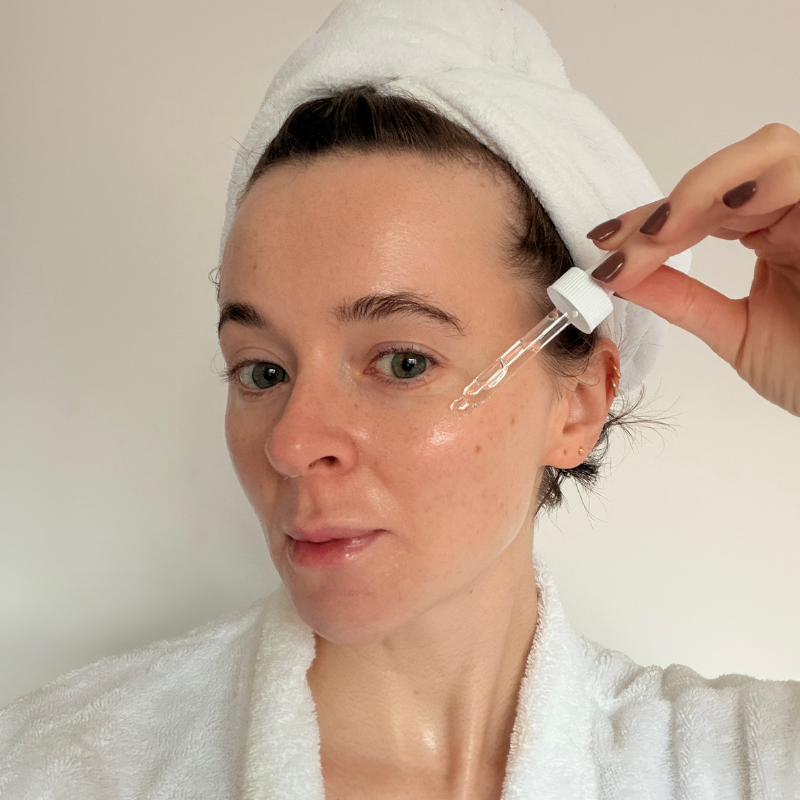

Skin hydration changes when age, hormones, and climate shift. A dry complexion may need more than water-binding ingredients. Peptides can support firmness while helping stressed skin recover. The best women’s peptides ranked by Plastic Surgery Key can offer useful starting points. Yet individual needs should guide the final choice. Texture, supporting ingredients, and daily habits also influence results. A thoughtful routine therefore begins with skin behavior, not trends.
Peptides Can Reinforce Weakened Skin
As skin matures, its structure needs more support. Peptides can encourage processes linked with collagen production. That support may help improve texture and resilience. Hydration then becomes easier to maintain over time. For dry complexions, peptide care works best beside barrier-supporting ingredients.
Which Peptides Match Dry, Mature Skin?
Dry mature skin often needs layered support. Water-binding ingredients bring moisture toward the surface. Barrier lipids help keep that moisture from escaping. Peptides add another role by supporting skin structure. A useful routine might include:
- Glycerin draws water toward the skin surface.
- Ceramides help reinforce the protective barrier.
- Peptides support firmness and smoother texture.
- Cream textures reduce moisture loss overnight.
This combination addresses several needs without making care complicated.
Hormonal Changes Call For Different Choices
Hormonal shifts can change dryness, sensitivity, and oil levels. Skin may feel tighter during certain life stages. Therefore, heavier formulas are not always the answer. The best women’s peptides ranked by Plastic Surgery Key can help frame ingredient comparisons. Still, formula texture should match current skin behavior. A lighter serum may suit warmer, humid conditions.
Can Climate Influence Peptide Routine Choices?
Weather can change how skin holds moisture. Cold air often increases dryness and surface tightness. Humid weather may make rich products feel uncomfortable. A flexible routine can respond without changing every ingredient. For example, lighter lotion suits summer mornings. A richer cream may serve colder evenings.
Supporting Ingredients Make Peptide Care Stronger
Peptides rarely need to work alone. Their value increases when surrounding ingredients address moisture loss. A simple routine can combine several complementary steps:
- Humectants attract water toward dry areas.
- Emollients soften rough, uneven patches.
- Sunscreen protects against daily environmental stress.
- Gentle cleansing preserves valuable surface oils.
- Occlusive layers slow overnight water loss.
Each element serves a different purpose. That distinction keeps the routine focused.
Personal Skin Needs Should Guide Selection
A woman with persistent dryness needs barrier support first. Another may notice firmness changes before obvious dehydration. Someone living in humid weather may prefer thinner textures. These differences make ingredient selection more personal. The best routine solves the dominant concern without unnecessary layers. That approach also makes daily skincare easier to maintain.